
The Mental Game of Sober: How to Change Your Relationship With Alcohol
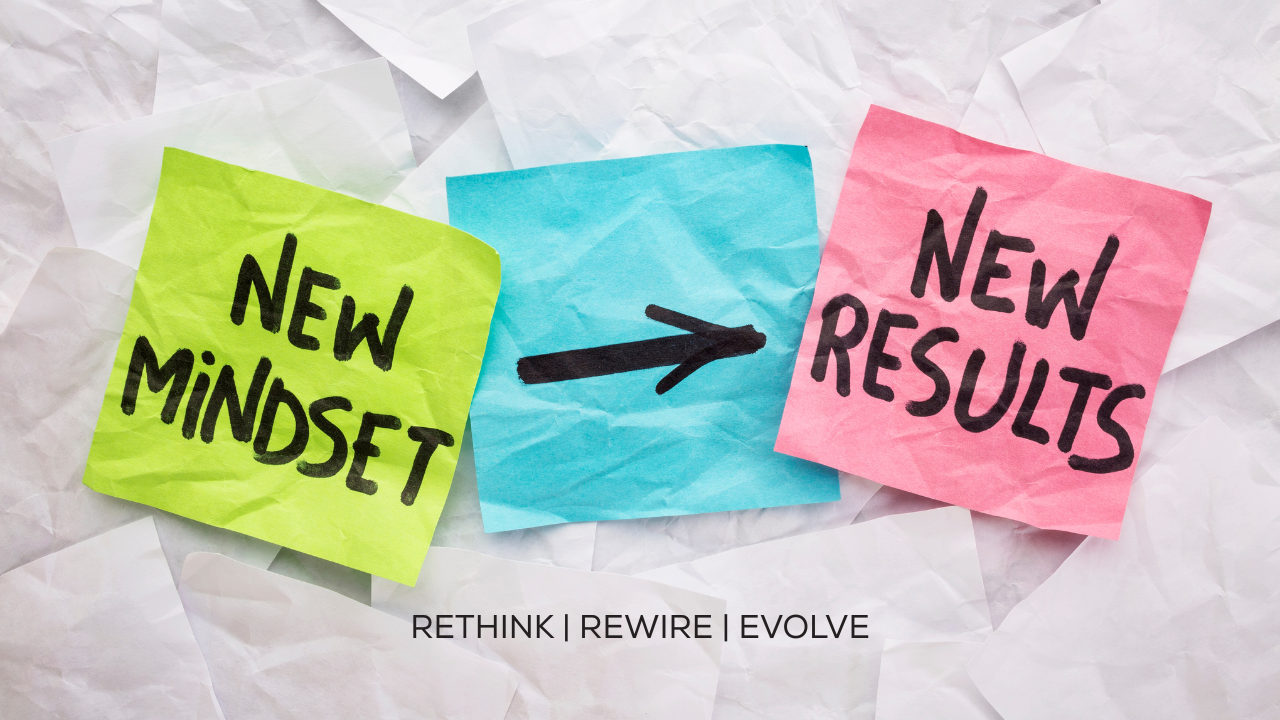
For most men, rethinking alcohol isn’t just about stopping drinking.
It’s about what happens in your head once you start questioning it.
I’ve worked with hundreds of men over the years, and one thing is clear: the men who change their relationship with alcohol long term don’t rely on willpower alone. They develop the mental skills that help them think, respond, and see themselves differently.
That’s what I call the Mental Game of Sober.
Why the mental side of sobriety matters
Many men already know alcohol isn’t helping them anymore. Or at least, it helps in one way but causes problems in others. Energy drops. Motivation fades. Confidence takes a hit. Life feels smaller than it should.
The challenge isn’t always stopping drinking. It’s learning how to live without alcohol being the go-to solution for stress, boredom, reward, or switching off.
That’s where mindset matters.
Imagining life without alcohol
Before changing behaviour, it helps to change perspective.
Imagine what life might feel like a year from now if alcohol no longer dictated your decisions.
Not planning your evenings around drinking.
Not waking up hungover, guilty, or fed up with yourself.
Feeling calmer, clearer, and more in control.
For many men, that future feels appealing but also uncomfortable.
When alcohol has been part of your life and identity for a long time, it affects how you see yourself, what you think you can handle, and how you believe life is supposed to feel. So imagining life without it can feel distant, almost unrealistic.
But allowing yourself to imagine it is important. It helps your brain start looking for different possibilities. And from there, you can ask a more useful question: how do I want to feel tomorrow? Or next week?
Mindset skill 1: Self-awareness (Know thyself)
The first mindset skill is self-awareness.
Most men struggle because they take their thoughts at face value. A thought pops up and feels urgent and true.
“I need a drink.”
“This would be easier with alcohol.”
“I deserve one after today.”
Just because you think something doesn’t mean it’s true.
When you start noticing your thoughts rather than reacting to them, patterns emerge. Certain times of day. Certain emotions. Certain situations. Stress, boredom, loneliness, reward, social pressure.
Understanding these patterns helps you stop seeing urges as a problem or a failure. They become information instead.
Reflection is a big part of this.
Many men are making progress without realising it because they never pause to look back. They miss the fact that they’re handling situations differently, even if it feels subtle.
Confidence builds through awareness, not perfection.
Mindset skill 2: Shift from loss to gain
A common reason sobriety feels hard is because it’s framed as a loss.
What am I giving up?
What am I missing out on?
What won’t I get anymore?
If that story runs in the background, sobriety will always feel like a sacrifice.
What works better is shifting focus to what you’re gaining by not drinking alcohol.
Better sleep.
Clearer mornings.
More energy.
More patience.
More presence with the people that matter.
More trust in yourself.
Higher self-esteem.
These benefits aren’t always instant, but they add up over time. Sobriety isn’t about deprivation. It’s about creating more capacity for life.
The men who stay alcohol free remind themselves of this regularly, especially on days when motivation is low.
Mindset skill 3: Play it forward
One of the most effective tools for dealing with cravings and urges is playing it forward.
Instead of staying stuck in the moment, zoom out.
If you drink, what happens next? Not just tonight, but tomorrow as well. How will you feel physically? Mentally? Emotionally?
Then do the same for not drinking.
Playing it forward isn’t about scare tactics. It’s about honesty.
It also reinforces identity. When you see yourself as someone who handles things differently, your behaviour follows. Decisions become easier when they align with what matters to you, whether that’s your health, family, work, or long-term goals.
The mental game of sobriety
The mental game of sober isn’t about being perfect or never thinking about alcohol again.
It’s about learning how to respond differently.
Learning how to think differently.
Learning how to see yourself differently.
The three key mindset skills are:
-
Self-awareness (know thyself)
-
Shifting from loss to gain
-
Playing it forward
If you approach sobriety this way, you give yourself a much better chance of creating lasting change.
If you’re rethinking alcohol and want support building these skills, you’re welcome to get in touch. You don’t have to rely on willpower or white knuckling it. You can learn how to live well without alcohol.
To hear the full epsiode and explore these insights in more depth, listen to Episode 233 of The Alcohol ReThink Podcast.
